
What to Do When Your Delmarva Roof Leaks During a Severe Coastal Storm
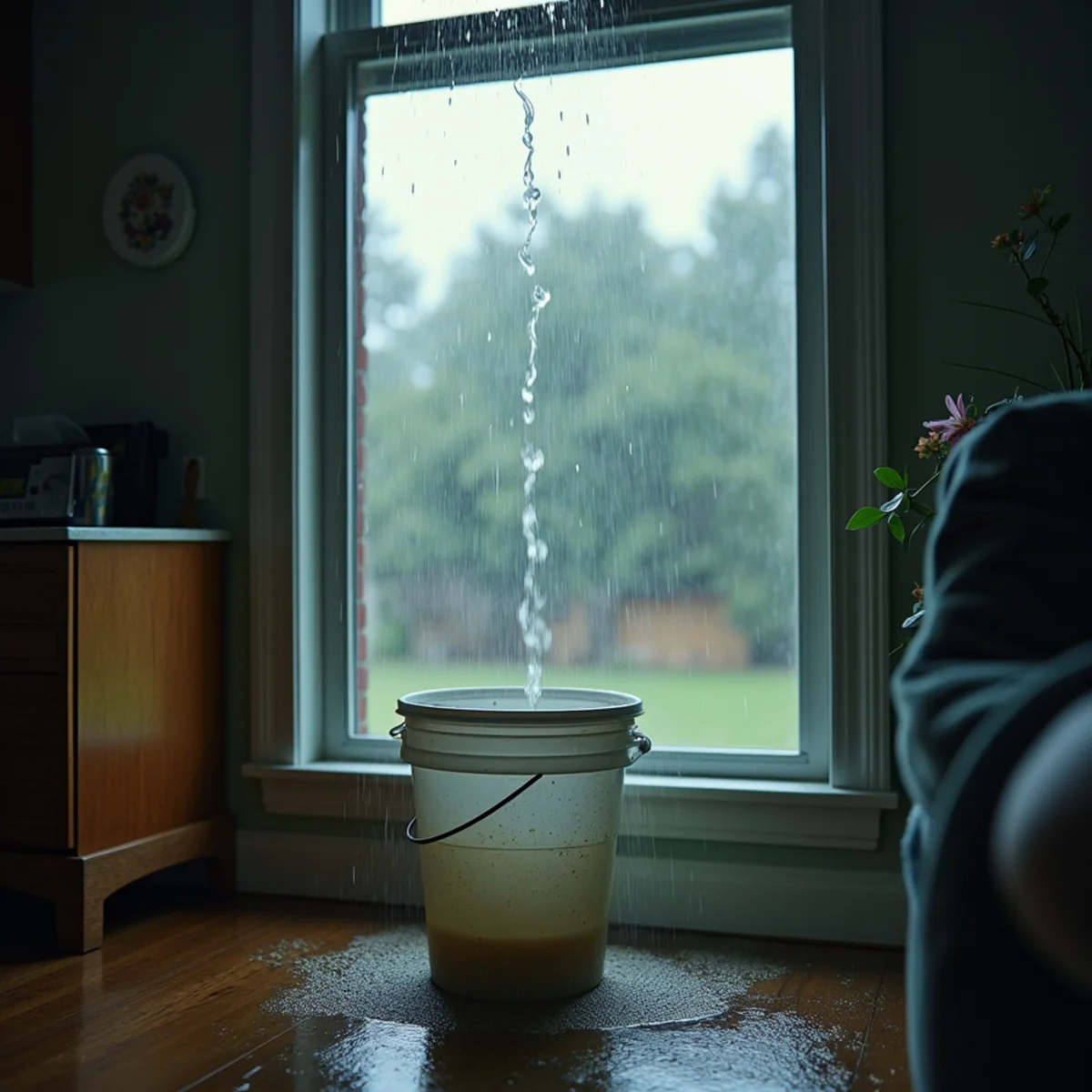
Step 1: Relieve Ceiling Pressure Immediately to Prevent Collapse
The single biggest mistake homeowners make is placing a bucket under a water bubble and hoping it holds. Sheetrock and plaster ceiling materials absorb water rapidly, swelling and becoming dangerously heavy. If water pools across a 4x8 drywall sheet, the entire ceiling panel can tear loose from joist screws, dumping gallons of dirty water and wet cellulose insulation directly onto your furniture.
Take a small screwdriver, nail, or awl, place a 5-gallon bucket directly beneath the low point of the ceiling blister, and puncture a single drainage hole in the center of the bubble. This safely relieves water weight, channels moisture cleanly into your bucket, and prevents the ceiling from tearing open.
Step 2: Trace the Water Path — Why Leaks are Rarely Directly Above the Drip
Water obeys gravity, surface tension, and attic pitch. Rain that enters through a cracked plumbing boot or loose ridge cap at the peak of your roof rarely drips straight down. Instead, it frequently runs down the angled top of a 2x6 rafter, travels along horizontal ceiling joists, and only penetrates the drywall when it hits a seam or recessed lighting fixture 10 to 20 feet away.
If your attic is safely accessible and floored, step carefully on wooden joists (never on bare drywall) with a flashlight. Look for dark, shiny trails on rafter undersides. Never attempt to climb onto your exterior roof during active rain, heavy lightning, or gusting coastal winds.
Step 3: When to Call for Emergency Tarping vs. Next-Day Repair
If water is actively gushing into living quarters, threatening electrical breaker panels, or ceiling drywall is sagging visibly, call our 24/7 Dover emergency dispatch line at (855) 705-1940 immediately for rapid-response roof tarping.
If the leak is a slow drip safely captured in a bucket, make sure the drainage hole remains clear, move valuables away, and schedule a prioritized first-light inspection. Document the damage with date-stamped smartphone video and photos for your upcoming insurance claim.
Step 4: Attic Insulation Hazards — Why Trapped Water Spreads Rot
Attic insulation acts like a giant sponge when a roof leak develops. Blown cellulose and fiberglass batts soak up gallons of water, keeping moisture in continuous contact with wooden ceiling joists and drywall. Because attics remain dark and warm, this trapped moisture fosters mold colony growth within 24 to 48 hours of initial water contact.
Once water has saturated insulation, simply fixing the exterior shingle will not resolve the problem. The damp insulation must be pulled back, joists treated with antimicrobial disinfectant, and the area dried completely with air movers before replacing ceiling drywall.
Step 5: Professional Scope & Insurance Claim Documentation
Photograph every stage of the leak event before drying or clean up. Take wide-angle photos of the affected room, close-up shots of ceiling stains with a tape measure, and photos of attic moisture trails.
When our Dover emergency technicians arrive, we create an itemized storm damage report identifying the point of entry and compiling photo evidence for your insurance company. This forensic record prevents adjusters from denying claims under pre-existing wear-and-tear exclusions.
Professional Trade Insights & Delmarva Environmental Tradeoffs
In Central and Southern Delaware, roofing systems face a unique combination of coastal humidity, subtropical summer UV exposure, and intense winter freeze-thaw cycles. When assessing repairs versus replacements, keep these crucial trade realities in mind:
Salty moisture from Delaware Bay and coastal inlets accelerates corrosion on exposed fastener heads and thin aluminum coil stock. Always specify stainless or electro-galvanized ring-shank fasteners and minimum 26-gauge flashing.
Unventilated Dover attics reach 140°F+ in July, baking the asphalt underside and driving out organic volatiles. Proper 50/50 soffit-to-ridge vent balance is non-negotiable to maintain shingle warranties.
Central Delaware Seasonal Roof Maintenance Schedule
Kent & Sussex CountiesInspect valleys for winter ice damage, clear gutters of seed pods, and check attic rafters for winter moisture staining.
Examine plumbing boot collars for UV cracking and verify that tree limbs are trimmed at least 10 feet from roof gables.
Clean downspouts completely, inspect chimney mortar joints, and confirm ridge vent caps are firmly anchored against 60 mph gusts.
Monitor eave perimeters for ice dam formations and ensure attic insulation does not block soffit intake baffles.
Delaware Residential Roofing Code & Fastener Standards (IRC R905)
Residential roofing across Central Delaware is governed by the International Residential Code (IRC) and local Kent County municipal amendments. Because Delaware sits squarely in the Atlantic coastal wind corridor, strict engineering benchmarks apply to all roof repairs and complete replacements:
| Code Specification | Delaware Standard (IRC R905) | Perfect Peak Exteriors Best Practice |
|---|---|---|
| Wind Uplift Rating | ASTM D3161 Class F (110 MPH) | Class H (130 MPH) 6-nail high-wind fastening pattern |
| Ice & Water Barrier | 24 inches inside exterior wall line | 36-inch self-adhering polymer membrane along eaves and valleys |
| Decking Attachment | 8d common nails at 6" edge / 12" field | Ring-shank exterior fasteners resistant to coastal humidity withdrawal |
| Attic Net Free Vent Area | 1 sq ft per 150 sq ft attic space | Balanced 50/50 continuous soffit intake and ridge vent exhaust |
| Flashing Gauge | 0.019-inch corrosion-resistant metal | 0.024-inch heavy-duty baked enamel aluminum and 16 oz copper |
Adhering to these strict building codes ensures your roof withstands hurricane-force nor'easters, prevents insurance claim rejections, and maintains full lifetime manufacturer warranty coverage.
Summary: Protecting Your Delaware Home
Whether you are addressing an active emergency leak, budgeting for a comprehensive roof replacement, or scheduling seasonal preventative maintenance, taking proactive steps today prevents thousands of dollars in hidden attic structural damage. Delmarva's intense coastal weather requires experienced local craftsmanship, premium materials, and certified installation standards that adhere to Delaware building codes.
At Perfect Peak Exteriors, our Dover-based team provides honest evaluations, clear digital photo evidence, and zero-obligation inspections across Kent, New Castle, and Sussex counties. If you have questions about your roof's condition, call our local team today at (855) 705-1940 or request your free 21-point roof audit online.
Recommended Delaware Services & Local Areas Mentioned
For professional execution of the methods discussed in this guide, explore our certified services and local Dover dispatch areas:
Common Questions About This Topic
Expert answers from our Delaware roofing contractors.
Professional emergency crews can secure exterior waterproof tarps during rain if lightning and wind conditions permit safe ladder access. If winds exceed safe thresholds, crews employ interior containment until wind speeds diminish.
Family-owned roofing contractor based in Dover, DE. Delivering honest estimates, storm repairs, and complete exterior restoration across Kent, New Castle, and Sussex counties for over 10 years.